







Search Results for: traditional style
Starbucks Spring Festival couplet calligraphy design sparks controversy, foreign brands' guochao marketing under renewed scrutiny
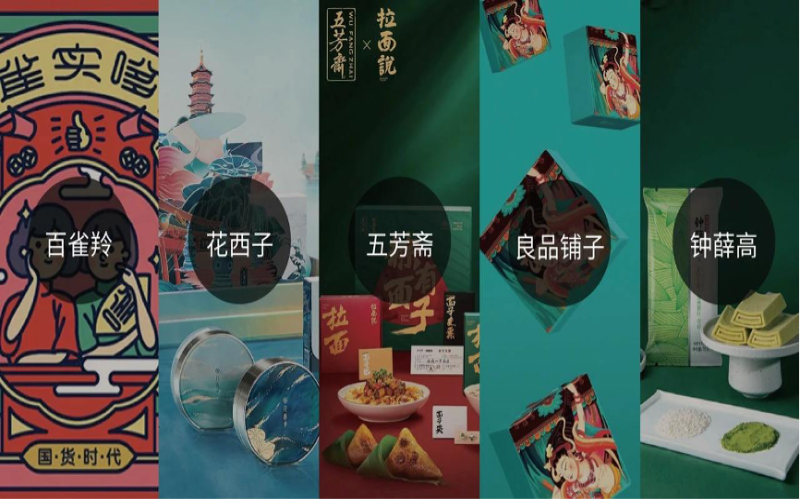
In recent years, the "China Chic" trend has swept across all industries, with traditional patterns and fonts being repackaged and integrated into modern design, becoming a popular direction for brand marketing. The Lunar New Year is a key moment for major brands to showcase their "China Chic" creativity. This year, Starbucks collaborated with calligraphy artist Zhu Jingyi to launch Spring Festival couplets, attempting to interpret traditional Spring Festival elements in a trendy way, but it sparked widespread questioning from netizens due to the writing style and content expression. This is not Starbucks' first attempt at "China Chic"; from the "Three Good Star Youth" in 2020 to the 2022 Chinese New Year series, its strategy has gradually escalated. However, as an important carrier of traditional culture, Spring Festival couplets carry auspicious meanings, and this controversy also prompts reflection on how foreign brands can appropriately use "China Chic" elements. [more…]
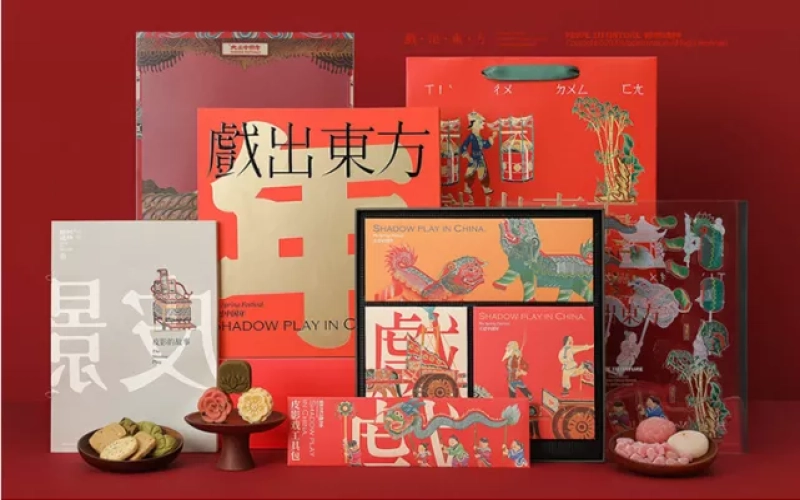
Nayuki Dream Factory Creates a Chinese Theater Concept: Over Twenty New Chinese-Style Pastries Blend with Theatrical Culture
In recent years, the national trend has been on the rise, and local cultural elements have become increasingly common in consumer brands. As a leading brand in the new-style tea beverage sector, Nayuki has abandoned its former Japanese-leaning brand image and transformed Nayuki Dream Factory into an opera space full of Chinese charm, launching more than 20 new Chinese-style pastries represented by mochi and palmiers, with each product corresponding to a classic opera such as The Drunken Concubine, The Peony Pavilion, and Farewell My Concubine. The store also displays traditional theater merchandise such as covered bowls and folding fans, creating an atmosphere of stepping into a traditional opera garden. Previously, Heytea also launched Axi Teahouse incorporating Sichuan opera elements. Against the backdrop of widespread price increases in the tea beverage industry, Heytea attracted market attention with a low price of nine yuan, and whether Nayuki's move into the national-trend pastry track can break through is worth continued attention. [more…]
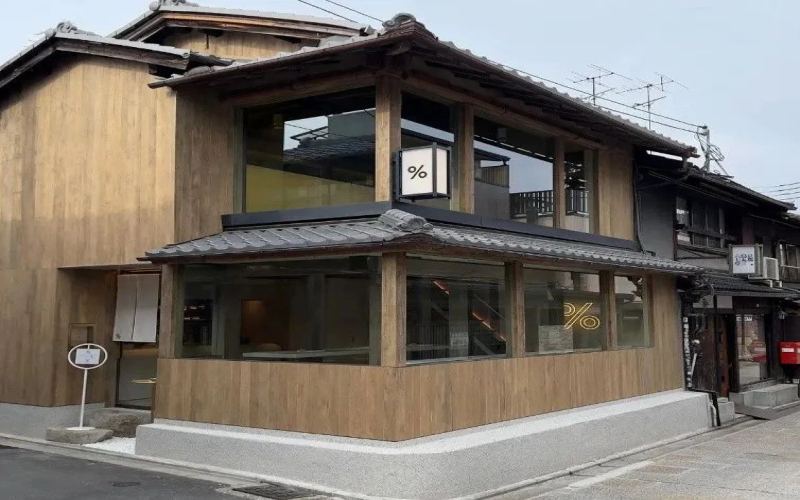
%Arabica crosses over into a Japanese-style diner: Kyoto launches a traditional ichiju-sansai breakfast, set menu priced at 4,800 yen
%Arabica, known for its minimalist design and small cups of coffee, recently opened the world's first traditional Japanese breakfast restaurant %Shokudō in Kyoto, Japan, officially entering the culinary field. This store is located directly opposite the %Arabica Kyoto Higashiyama store, combining traditional wooden architecture with a glass curtain wall, with only 12 seats, offering a "one soup, three dishes" Japanese breakfast by reservation, priced at 4,800 yen per set including tax, including miso soup, rice, grilled fish as the main dish, and three side dishes, with a choice of tea or %Arabica coffee after the meal. This move marks %Arabica's first attempt at a shokudo format among its 188 stores worldwide since returning to Kyoto in 2014, and also fulfills the brand's long-held dream of opening a restaurant. [more…]
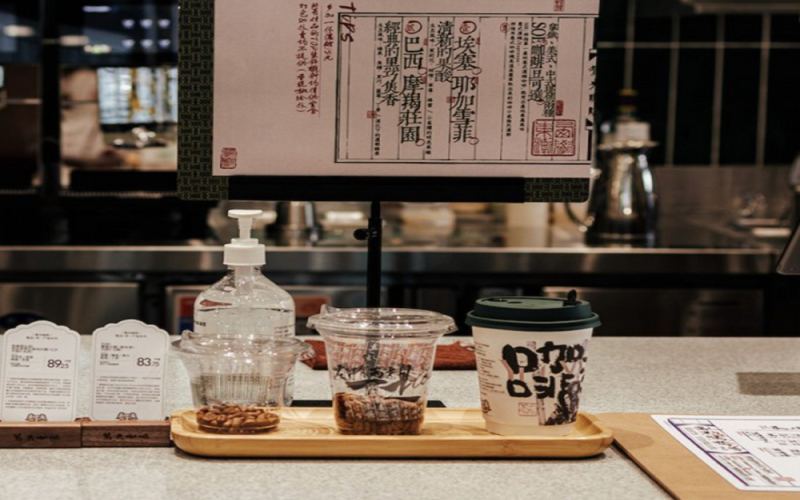
From Guochao Design to Local Flavors: How Chinese-Style Coffee Is Forging Its Own Path
In recent years, cafés featuring elements of traditional Chinese culture have been springing up one after another, and coffee, this imported product, is accelerating its path toward Sinicization. From new-style tea beverage brands跨界 opening coffee shops, to domestic local brands driving down prices to cultivate the market, to industry practitioners proposing that Chinese-style coffee should have its own mode of expression, this path is full of both opportunities and challenges. This article sorts out the evolution of coffee in China from the instant coffee era to the specialty coffee wave, and explores the current state and future of new Chinese-style coffee—innovation can attract the masses, but only professionalism, the cultivation of local bean varieties, and deep cultivation of the Yunnan production region can truly make Chinese-style coffee remembered by the world. At the end of the article, Front Street Coffee's communication channels are attached. [more…]
Which category of tea does Phoenix Dancong actually belong to? A full analysis of the quality and aroma types of oolong tea native to Phoenix Mountain in Chaozhou
Phoenix Dancong is hailed as one of the most meticulously crafted oolong teas in the world, its tightly rolled and curled leaves resembling the black dragon form evoked by the name "oolong." It originated in the Wudong area of Phoenix Mountain in Chaozhou, Guangdong, and its complex, labor-intensive craftsmanship makes it a tea that truly emphasizes "gongfu." Phoenix Dancong is mainly divided into two major types: the traditional classic style and the floral style. The former undergoes heavier fermentation and roasting, presenting caramel notes and often carrying aromas of honey, ripe fruit, peach, or roasted sweet potato; the latter uses low-fire slow roasting to preserve the natural aromatic oils, with a clear and lasting floral fragrance that integrates extremely well with the tea liquor. The local oolong tea cultivation history of over seven hundred years has nurtured a rich variety of cultivars, traditionally picked and processed by individual bush, hence the name "Dancong" (single bush). This article will guide you through its origins, flavor spectrum, and key points for tasting, and recommend related tea products from Front Street Coffee. [more…]

Cold Reflection Amid the Coffee Localization Craze: Can New Chinese-Style Coffee Truly Win the Hearts of Chinese Consumers?
In recent years, "new Chinese style" has become a hot topic in the food and beverage industry, and coffee is no exception. From coffee served in lidded bowls to collaborations with Chinese-style breakfasts and traditional medicinal herbs, a growing number of coffee professionals are trying to blend coffee with elements of traditional Chinese culture. This localization strategy has indeed opened up a new niche in the coffee market, drawing a great deal of attention on the back of the "national trend" wave. Yet when coffee is draped in a gorgeous Chinese-style exterior, what do people actually remember—the coffee itself, or the exquisite packaging and settings? This article takes an in-depth look at the current state of new Chinese-style coffee and its hidden concerns, reflects on whether the development of coffee culture in China has truly touched the essence, and calls for more professional attention and dedication to coffee itself. [more…]
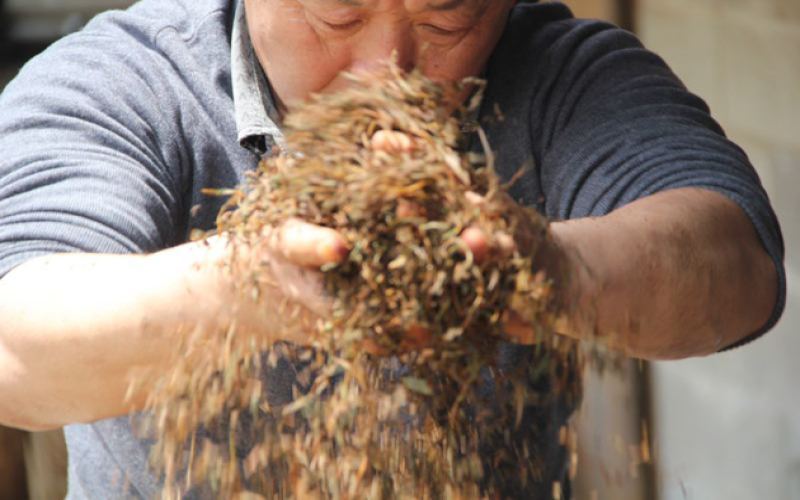
Why Does Lapsang Souchong Have a Sweet Fruity Aroma? A Full Analysis of the Three Major Flavor Types and Traditional Characteristics
Lapsang Souchong is often described as a black tea with a captivating sweet fruity aroma, but many enthusiasts find upon actually tasting it that the smoky flavor is intense, falling far short of expectations. In fact, the production of Lapsang Souchong in Tongmu Pass has now diverged into three styles: those with both smoky and fruity notes, those with coexisting smoky and woody notes, and those that are completely smoke-free with a rich fruity aroma. Traditional Lapsang Souchong, due to the spring cold in Tongmu Pass, has been dried over pine wood since ancient times, invariably carrying some smokiness, whereas the native Qi Zhong (rare variety) naturally boasts a prominent fruity aroma. This article will clarify the origins of the sweet fruity aroma, outline the three major types, and introduce the Lapsang Souchong Qi Zhong recommended by Front Street Coffee—smoke-free, full of fruity aroma, and with a long-lasting aftertaste. [more…]

Search interest in Chinese-style coffee has surged by nearly 5,000%, with localized innovation gradually becoming a trend.
In recent years, more and more products and spaces with Chinese elements have emerged in the coffee field. From brands and bean sources to creative beverages and store designs, coffee's "Chinese flavor" has become increasingly pronounced. Data shows that in the third quarter of this year, searches for "coffee + art" increased by 3,025% year-on-year, searches for "specialty coffee" grew by 207%, and search interest in "Chinese-style coffee" surged by 4,713% year-on-year. Behind this phenomenon is not only the rise of local coffee brands and the improvement in the quality of Yunnan coffee, but also a reflection of the new generation of consumers' preference for national trends and local culture. Coffee shops have narrowed the distance between Chinese people and coffee through traditional tableware, Chinese-style interior design, and innovations with regional ingredients. Although Chinese-style coffee has not yet formed an independent school, its boundary-breaking exploration has already attracted widespread attention. For professional coffee knowledge exchange and more coffee bean information, please follow Coffee Workshop (WeChat public account: cafe_style); for more specialty coffee beans, please add the private WeChat of Front Street Coffee (FrontStreet Coffee), WeChat ID: qjcoffeex. [more…]

Fudan Medical College Case Card Milk Tea Goes Viral Online, Creative Packaging Inspiration Shares the Same Roots as Traditional Chinese Medicine-Style Design in the Coffee World
Recently, a "medical record card milk tea" launched by the School of Medicine at Fudan University has continued to spark heated discussion online. Its packaging design mimics prescription slips and medical record cards, printed with phrases such as "oral miracle cure" and "miraculous healing," and the straws even reproduce street signs from around the medical school, making it full of fun. As of now, the topic has received 47.589 million reads and 8,931 discussions on Weibo. In fact, similar "medical-style" creative ideas are not appearing for the first time. Previously, in the coffee sector, some cafes also introduced the concept of "oral coffee." While such novel designs can certainly grab attention quickly, for a beverage, product quality is the foundation for long-term success. [more…]
HEYTEA's Handcrafted Store Launches 50 New Products at Once: How Far Can the Whole-Leaf Tea Brewing Move Go?
Heytea has opened its first global handmade tea shop in Nantou Ancient Town, Shenzhen. The three-story space corresponds to three product lines: hand-stirred ice, handmade tea, and hand-brewed fine tea, launching over 50 new products at once. From Musang King durian to mangosteen, Thai golden pomelo, and guava, to traditional brewed pure teas covering China's six major tea categories and creative mixed cups, this shop is clearly not satisfied with the conventional tea beverage playbook. The most expensive single item, "Large Musang King Durian," is priced at 138 yuan, and the cups have also been custom-designed. The new-style tea beverage brand is returning to deep cultivation of original leaf tea, driven by the continuously expanding tea beverage track and the rising proportion of pure tea. This article takes you through a complete understanding of the product structure, pricing strategy, and industry significance of this new launch. [more…]
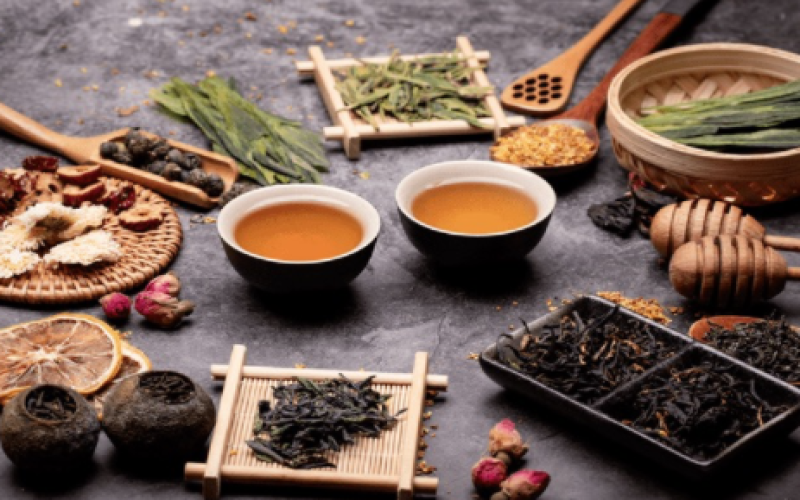
Young people spark a trend of herbal tea drinks, a new wellness lifestyle quietly emerges
In recent years, with the rise of the "national trend" culture, the "new Chinese-style" wellness concept has quickly gained popularity among young people. After saying goodbye to bad habits such as staying up late, smoking, and drinking, more and more young people are beginning to favor Chinese herbal medicinal diets and Chinese herbal teas. On social media, herbal milk tea frequently goes viral, and health teas dispensed by hospitals and herbal drinks launched by traditional Chinese medicine clinics through cross-sector collaborations are highly sought after. Data shows that over 70% of consumers are more willing to buy Chinese herbal teas and express satisfaction with their functional effects. Numerous pharmaceutical companies have entered the market, launching innovative products such as wellness coffee and herbal teas. However, experts also remind that although Chinese herbal teas are beneficial, they should be consumed in moderation, following the principle of "stopping once the illness is cured," to avoid counterproductive effects. [more…]

Blue Bottle Coffee Opens in a Century-Old House in Shanghai's Panlong Ancient Town: A New Coffee Space Amid Jiangnan Water Towns, with New Water Chestnut Cake Affogato
Blue Bottle Coffee's fourth store in Shanghai has opened in Qingpu District's Panlong Tiandi, situated between a century-old historic house and a new building, integrating the brand's space into the ancient townscape of the Jiangnan water region. The store is divided into three areas: the historic house, the new building, and a public gathering space, preserving traditional architectural structures while infusing them with a modern design language. In addition, the Panlong store has introduced a Water Chestnut Cake Affogato that blends traditional flavors, combining the soft, sweet water chestnut cake with rich, aromatic Italian affogato to deliver a unique taste experience. Join us as we explore this Blue Bottle Coffee in the ancient town and experience the collision of coffee and local culture. [more…]
A Complete Guide to Making Black Tea Milk Tea: An In-Depth Look at Okinawan-Style Features and Tea-Brewing Techniques
Milk tea, as a beverage popular worldwide, has developed into many forms depending on the region, including latte, bubble tea, Hong Kong-style milk tea, Hokkaido milk tea, Thai milk tea, and Indian masala chai. Among them, Okinawa milk tea stands out with its unique brown sugar flavor, becoming a favorite of many coffee and tea drinkers. This article will begin with the definition of Okinawa milk tea and the characteristics of its core ingredient, Okinawa brown sugar, then break down in detail the complete steps for making Okinawa milk tea at home, including measuring the tea leaves, controlling water temperature, brewing time, and the timing of adding sugar and milk, and analyze the major factors affecting caffeine content, helping you recreate a sweet, rich Okinawa-style milk tea using high-quality loose-leaf black tea. [more…]
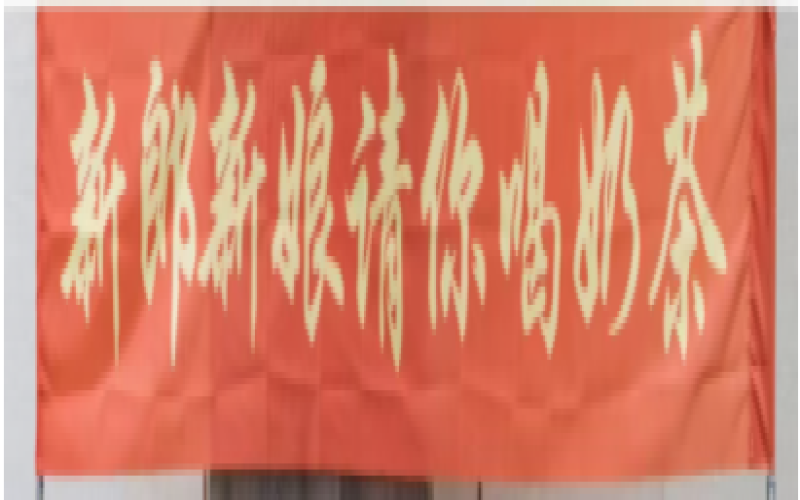
Milk Tea Replaces Baijiu? Post-90s and Post-00s Newlyweds Reshape Wedding Toast Etiquette with New-Style Tea Drinks
Must you drink alcohol when toasting at a wedding? More and more couples born in the 1990s and 2000s are giving a different answer: replacing baijiu with milk tea. From a Shanghai couple's wedding banquet featuring golden-cup milk tea to the heated discussion of 320,000 posts on social media, this new trend of substituting tea for alcohol is quietly changing the drinking culture at traditional wedding banquets. Why are young people drawn to this approach? And do their elders accept it? This article takes you through this wedding banquet revolution led by new-style tea drinks, and shows how young people are redefining the wedding toast ritual in their own way. [more…]
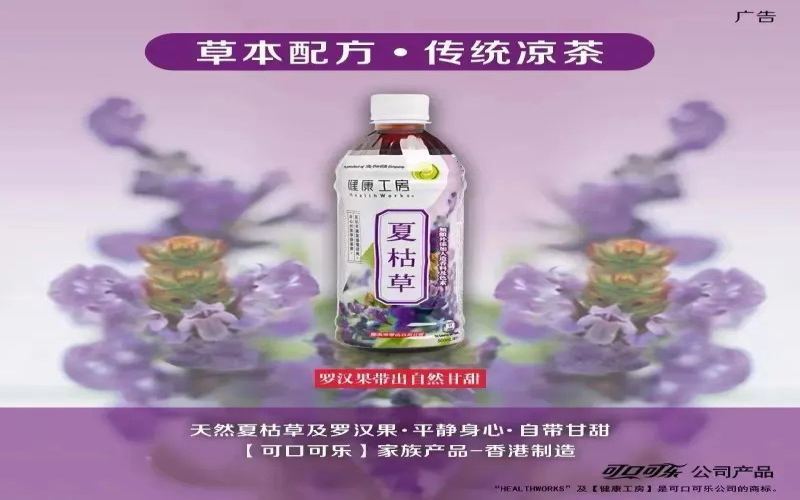
Wanglaoji's Waterfall Iced Cantonese-Style Drink Sparks Debate: Is Herbal Tea Crossing Over into Coffee Innovation or Anxiety?
Coca-Cola recently launched an herbal tea product called "Prunella vulgaris," but its name and packaging color scheme triggered collective misreading among netizens, many of whom associated it at first glance with the pesticide "paraquat." Meanwhile, Wong Lo Kat is also vigorously promoting "Waterfall Iced Cantonese Style" in its physical stores, combining concentrated herbal tea with fruit soda and ice, imitating coffee's visual appeal and sense of ritual. From Coca-Cola's naming mishap to Wong Lo Kat's attempt to turn herbal tea into coffee, traditional herbal tea brands all seem anxious to break through the limitations of their consumption scenarios. Are these crossover moves genuine innovation breakthroughs, or helpless measures by brands under performance pressure? [more…]
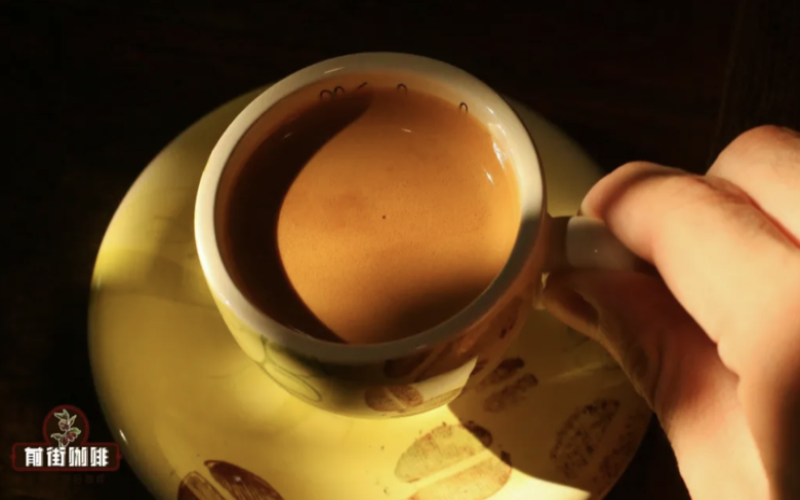
The Japanese Dark Roast School: A Roasting Philosophy That Takes Mouthfeel as Its Faith
In an era when specialty coffee has unmistakably surged toward "light-roast fruit acidity," the Japanese roasting world took the opposite path: roasting beans dark and thorough, pursuing the mellow aesthetics of "sweetness after bitterness." Japanese-style dark roasting is not an accidental product of over-roasting, but a self-consistent philosophical system. Understanding this school will change how you think about what "coffee should [more…]
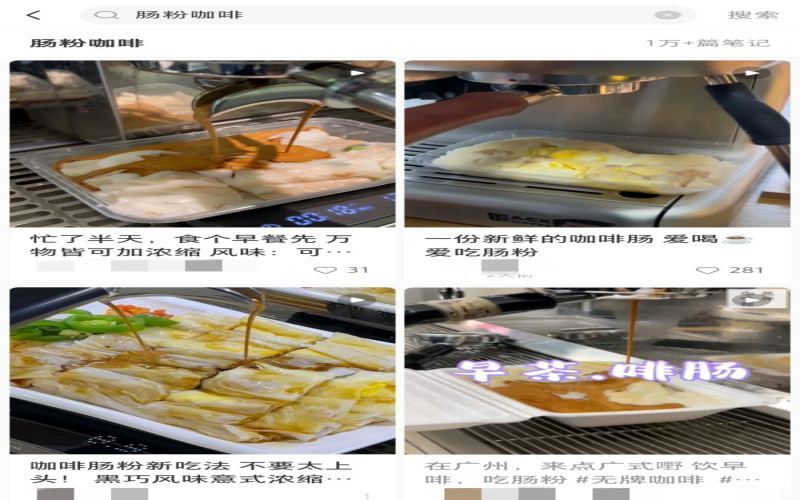
Rice noodle rolls paired with espresso? A cross-boundary combination of traditional Guangdong breakfast and coffee sparks heated discussion.
What happens when traditional Guangdong rice noodle rolls meet espresso? Recently, a novel way of eating them—swapping the soy sauce for espresso—has sparked widespread discussion on social media, with related posts on Xiaohongshu exceeding ten thousand. Some people call it outrageous, while others say they are eager to try it. In fact, crossovers between coffee and traditional Chinese foods have long existed, from Chengdu's pork intestine rice noodles paired with coffee to fried dough sticks with coffee. Such attempts continuously refresh people's understanding of coffee culture. This article will take you through the story behind this phenomenon and the various amusing tales of coffee's localisation explorations. [more…]
Caffè Florian: A Three-Century Italian Coffee Legend from Venice's St. Mark's Square to the World
In St. Mark's Square in Venice, there is a café that spans nearly three centuries—Caffè Florian. Since its founding in 1720, it has not only been Italy's oldest coffee house but also an important witness to European culture and art. From Goethe and Byron to Andy Warhol, countless celebrities have left their footprints here; from the birth of the Venice Biennale to the tradition of live European-style orchestral music, Caffè Florian has always been closely connected with art. In 2015, it entered Asia for the first time, settling in Shinkong Place in Suzhou, presenting 295 years of Italian coffee culture to Eastern customers in its authentic form. This article will take you to explore the origins of Caffè Florian, anecdotes about famous figures, its musical traditions, and its global branch layout, and to experience the charm of coffee that has been cultivated over three centuries. [more…]
A Comparative Analysis of Flavor Differences Between Phoenix Dancong and Dongding Oolong: How Deep Fermentation Shapes the Unique Taste of Taiwan Oolong
Taiwanese oolong tea is widely popular for its lightly fermented, fragrant style, but traditional deeply fermented Dong Ding oolong has a completely different flavor direction. This article starts with the fermentation process, compares the essential differences in taste between Phoenix Dancong and Dong Ding oolong, and provides an in-depth analysis of how deeply fermented oolong tea forms its unique fruity aroma and rich mouthfeel through two stages: internal oxidation and external oxidation. The article also introduces the changes in tea flavor brought about by reduced rainfall in 2018, as well as reservation information for two distinctive oolong teas from Alishan and Dongding Mountain. For those who love exploring the depth of oolong tea flavor, this is a guide to craftsmanship and tasting worth reading carefully. [more…]
A Complete Guide to Turkish Coffee: From Grind Fineness to Brewing and Drinking, a Classic Tradition
Turkish coffee, with its ancient and mysterious brewing method, holds a foundational place in European coffee culture. This article will guide you through the historical origins of Turkish coffee, its unique brewing method, the ultra-fine grind it requires, as well as the drinking etiquette and fascinating customs associated with it. From coffee grounds that must be ground as fine as flour, to slow brewing over charcoal embers with a long-handled copper ladle, to the custom of testing a suitor's coffee foam during marriage proposals, Turkish coffee is not merely a beverage but carries deep cultural significance. If you are interested in the grind size for Turkish coffee grounds, the brewing details, or Front Street Coffee's recommendations, this article will present them all to you one by one. [more…]